

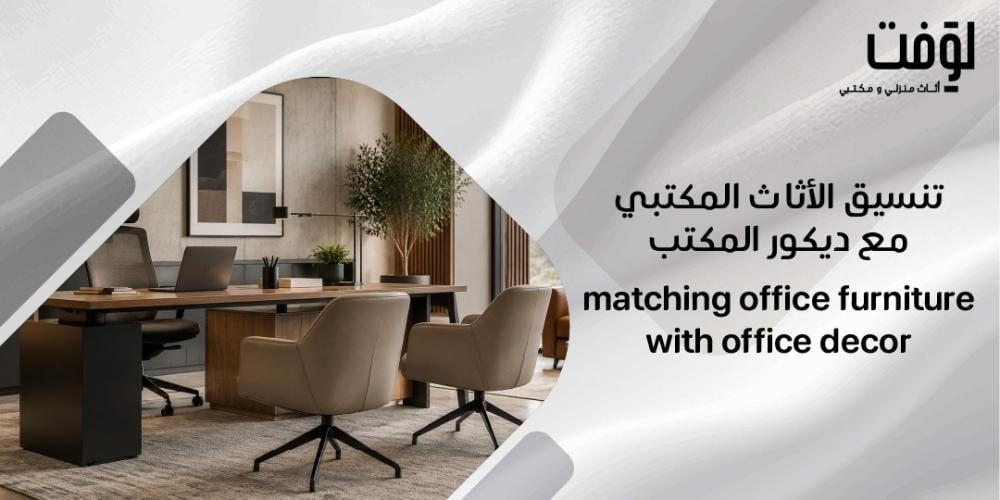
The distinction between traditional and modern office furniture goes far beyond mere aesthetics; it encompasses spatial utilization, cable management solutions, office storage options, and overall workplace comfort. If you are looking to furnish your office to suit your actual operational needs rather than just visual appeal, Loft offers a comprehensive range of executive desks and storage units designed for various layouts and workflows. Explore the collection today to find the perfect fit for your workspace.
This article provides a comprehensive comparison covering design, materials, executive office decor, spatial efficiency, ergonomic comfort, and maintenance—all designed to help you make a practical, informed decision grounded in clear facts.
Materials and Finishes: Traditional vs. Modern
Material selection reflects far more than product price; it dictates the daily appearance of your desk, its weight during relocation, and its long-term durability. When evaluating the difference between traditional and modern office furniture, materials and surface finishes typically create the initial visual impression.
Choosing the right material requires balancing daily usage intensity, maintenance requirements, and available space. Every design style relies on specific materials tailored to its function, and understanding these differences ensures a more precise decision.
1. Classic Materials Classic-style furniture relies heavily on solid natural wood or heavy engineered woods that impart physical weight and a commanding presence. These are often paired with genuine leather or rich upholstery fabrics, along with classic metallic hardware on drawer pulls and trim.
This category of office finishing delivers visual warmth and distinct structural durability. However, it requires periodic polishing, protection from moisture and scratches, and generally carries a higher price tag depending on the wood species and finish quality.
2. Modern Materials Modern furniture relies primarily on durable melamine and laminates applied to engineered wood panels, alongside structural steel, aluminum alloy legs, tempered glass, and high-grade engineered plastics—or a combination of these materials within a single piece.
It is important to note that the presence of a specific material does not guarantee uniform quality across all products. You should evaluate the density of the underlying board, edge-banding precision, and hardware durability rather than relying solely on the base material name.
3. Maintenance Requirements by Material Ultimately, the difference between traditional and modern office furniture appears not only in form but in long-term care routines:
- Natural Wood: Requires routine polishing and protection against humidity, heat, and physical scratches to preserve its finish.
- Durable Melamine: Cleans effortlessly with a damp cloth, though abrasive cleansers must be avoided to prevent surface wear.
- Steel or Aluminum Legs: Requires virtually zero maintenance and withstands heavy, continuous commercial use.
- Genuine Leather: Demands specialized conditioning products to prevent drying, cracking, and fading over time.
- Tempered Glass: Cleans easily but readily shows fingerprints and smudge marks, requiring frequent wiping.
The ideal material is not necessarily the most expensive option, but rather the one that aligns with your daily usage intensity, budget, and maintenance capacity.
Space and Functionality
Office planning does not begin with selecting furniture pieces; it starts with measuring available floor space, mapping foot-traffic pathways, and identifying power and data outlet locations. This logical sequence determines whether substantial traditional furniture fits the environment or if compact modern modular pieces are better suited.
1. Spacious Offices In executive suites and expansive open-plan managerial offices, traditional furniture creates a commanding formal presence. Large desks, standalone credenzas, and side guest seating fit naturally into these large footprints. The primary requirement is leaving adequate clearance pathways around each piece, as overcrowding destroys the formal ambiance this furniture style is intended to convey.
2. Compact Workspaces In smaller floor plans or open collaborative layouts, an L-shaped corner desk serves as an exceptionally practical solution for maximizing corner footprints without sacrificing open floor area. Mid-height storage units and multi-functional furniture reduce desktop clutter, making small-space utilization far more efficient than traditional furniture typically allows.
3. Storage and Privacy Workplace privacy is not determined by furniture style alone; whether classic or modern, privacy is achieved through thoughtful storage integration. Locking file cabinets restrict access to sensitive documents—a practical feature that complements wider organizational document-retention policies.
Key considerations when selecting storage units include:
- Closed storage units minimize visual clutter and keep active files off open desk surfaces.
- Categorizing daily essentials versus long-term archival documents directly impacts the size and number of storage units required.
- Before selecting locked cabinetry, review locking mechanisms and verify your security requirements rather than treating locks as a decorative detail.
4. Cable Management and Power Integration In modern work environments, cable management is a core functional requirement rather than a luxury. Desks equipped with grommets, flip-up wire troughs, and integrated power/data modules prevent wire tangles from the start. This highlights a clear distinction between traditional and modern office furniture: traditional pieces were rarely designed with technology integration in mind, whereas modern Loft furniture incorporates cable routing as an essential design feature.
Comfort and Flexibility
The success of any office layout is measured by how seamlessly daily tasks are completed, how easily staff can navigate the space, and how quickly files and equipment can be accessed. A functional workspace empowers employees to work without physical friction, which should remain your primary selection criterion.
The flexibility of modern office furniture lies in its ability to adapt to organizational changes. While certain classic pieces appear grand, their ability to support ergonomic posture adjustments and fluid movement remains the true test of workplace utility.
1. Reconfigurability Traditional furniture relies on heavy, fixed pieces that make reconfiguring a layout difficult when headcount or workflows change. Conversely, modern furniture features lightweight, modular constructions that simplify spatial reconfigurations, allowing easy integration of workstations and storage as teams evolve.
2. Daily Ergonomics True functional comfort depends on several operational factors acting in unison: adequate desktop surface area, convenient storage placement relative to the user, rapid document retrieval, and unhindered chair movement. Selecting an ergonomic chair remains an independent decision from desk style, directly influencing posture support during long working hours.
3. Practical Selection Checklist Before completing your purchase, review these essential planning steps:
- Measure the length, width, and ceiling height of your available space accurately.
- Verify doorway clearances, hallway turns, and elevator dimensions to ensure smooth delivery and installation.
- Determine the exact number of users assigned to each workstation.
- Inventory all required desktop hardware and map electrical outlet placements beforehand.
- Calculate total document volume to select appropriate storage capacity.
- Identify security requirements for locked cabinetry based on document sensitivity.
Top Wooden Office Furniture from Loft
If you are looking for modern office furniture that combines organization with sleek design, Loft provides curated options built for contemporary environments. The following products illustrate how to create an organized, efficient workspace through secure storage, corner optimization, and integrated power management.
1. Gaddi ME Storage Unit
The Gaddi ME Storage Unit features a rich dark brown finish that offers a warm executive feel. While its tone echoes classic aesthetics, its construction showcases modern design versatility—blending seamlessly into contemporary decors without appearing dated.
Measuring 180 cm L x 45 cm W x 90 cm H, its top panel, doors, side panels, back, and base are constructed from durable melamine-faced engineered wood designed to resist surface wear and scratches. It features smooth swing doors, ergonomic ABS handles, and an integrated locking mechanism for securing confidential files.
Within a modern office layout, this unit serves a dual function: organizing documents within closed cabinetry while providing a spacious top surface for office machinery or display items. Its versatile design also suits home offices, bedrooms, or living spaces.
Recommendation: Verify that the 180 cm length fits your designated wall space, and ensure adequate clearance for full door swing radiuses before purchasing.
2. Gaddi ME Modern Wooden Executive Desk
The Gaddi ME Modern Wooden Desk features an integrated L-shaped side cabinet, constructed from high-grade wood composite supported by aluminum alloy legs, available in neutral color tones that harmonize with diverse decors. This piece exemplifies modern office functionality by merging metal structural accents with clean wood textures.
The desk includes a top-mounted cable management box housing two power outlets and a data socket, keeping power cords organized and desktop surfaces clutter-free. The integrated lockable side cabinet provides secure, organized storage for files and personal items.
Its L-shaped corner layout maximizes desktop work area while utilizing underused corner spaces. Additionally, the aluminum legs provide structural stability and a sleek contemporary accent.
Recommendation: Position the desk near accessible wall outlets and verify electrical placement before installation to take full advantage of the integrated power box.
Frequently Asked Questions
What is the definition of office furniture? Office furniture refers to the collective group of functional items used to equip a workspace, including desks, task chairs, filing cabinets, storage units, and conference tables. Its primary purpose is to support daily work tasks and organize the physical environment to maximize productivity.
What are the main types of office furniture? Office furniture categories include traditional and modern styles, executive desks, open-plan workstations, filing cabinets, storage credenzas, task seating, and meeting tables—each differing in design based on organizational needs.
What are the common materials used in office furniture? Furniture materials vary widely, including solid wood, engineered wood composites, metals (such as steel and aluminum), tempered glass, high-grade plastics, and hybrid constructions. Design styles generally fall into classic or modern categories.
What are the essential components of an office setup? Standard office setups typically include a primary work desk, an ergonomic task chair, file storage drawers, and secondary storage units, with conference tables added as needed. Modern setups also incorporate cable management systems and visitor seating depending on office size and function.
Conclusion
The difference between traditional and modern office furniture extends far beyond appearance—it defines your entire workplace workflow. Traditional furniture offers formal elegance through heavy materials and classic detailing, while modern furniture emphasizes simplicity, reconfigurability, spatial efficiency, and seamless technology integration.
Before making a decision, measure your available space, identify your storage and privacy needs, and establish your budget. Choosing between styles does not require absolute exclusivity; blending classic elements with modern functional pieces often creates a balanced workspace that offers both sophistication and operational efficiency.
Explore the selection of desks and storage units at Loft, reviewing dimensions and specifications carefully to build an organized, cohesive office environment tailored to your operational requirements.